
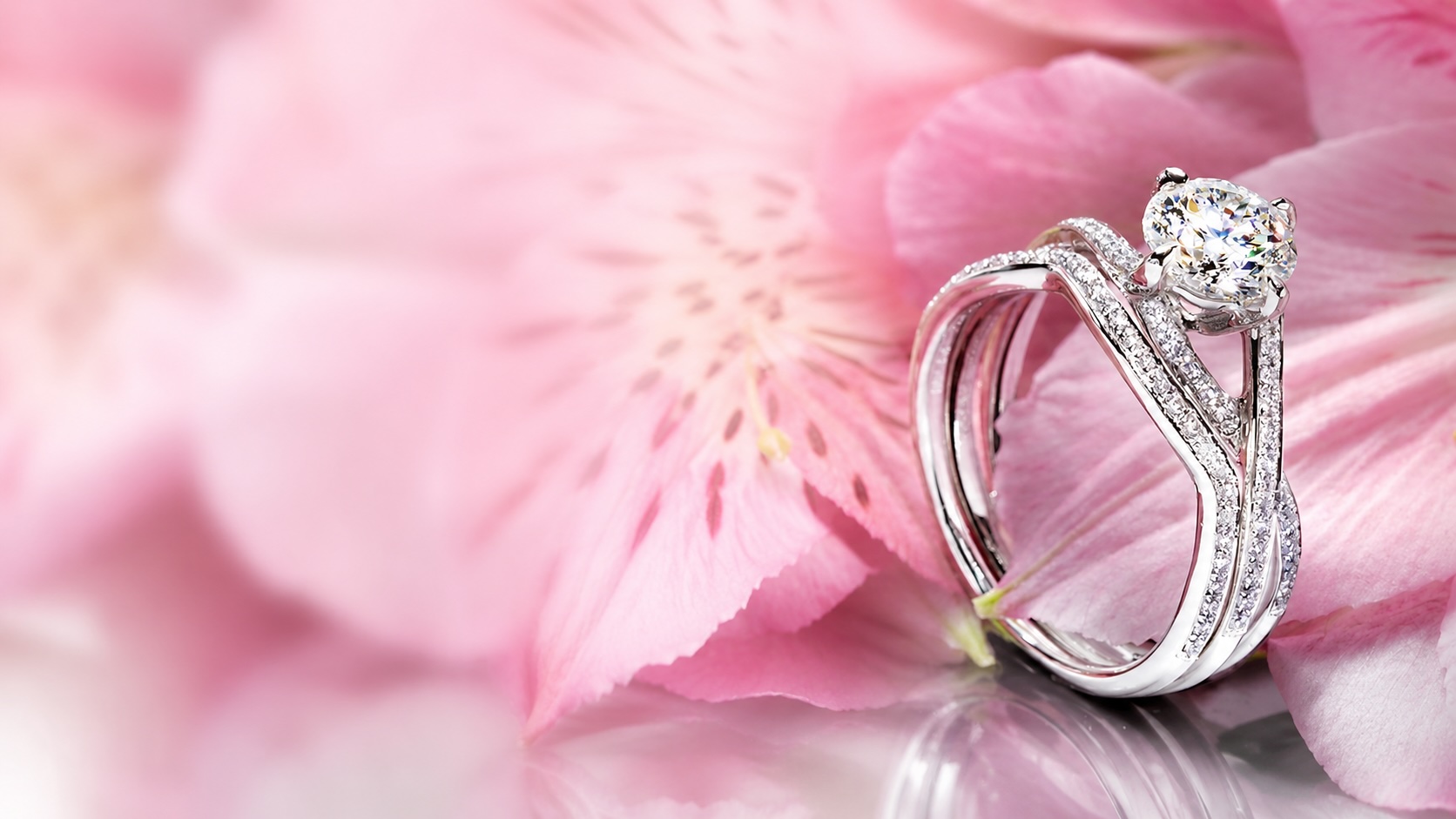
Yes, buying your engagement ring and wedding ring from the same jeweler is often the best choice if you want a cohesive look, compatible fit, consistent craftsmanship, and simpler long-term service. However, it is not essential if you understand how to compare metals, proportions, setting styles, and maintenance policies.
Key Takeaways
- Buying both rings from the same jeweler can make it easier to create a matching bridal set.
- The same jeweler can help ensure the wedding band sits properly against the engagement ring.
- Metal color, ring profile, band width, diamond quality, and craftsmanship are easier to coordinate when purchased together.
- Warranties, resizing, inspections, repairs, and future upgrades may be simpler when handled by one jeweler.
- Buying from different jewelers can work well if you want a specific style, designer, price point, or custom wedding band.
- The most important factor is not whether the rings come from the same place, but whether they fit, wear, and look right together.
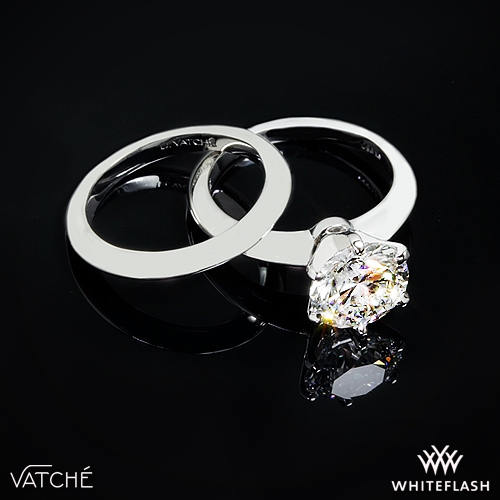
Platinum Vatche U-113 6-Prong Solitaire Wedding Set from Whiteflash
Why This Question Matters
An engagement ring and wedding ring are separate pieces of jewelry, but they are often worn together every day. That means they need to work as a pair both visually and practically.
A beautiful engagement ring may not automatically pair well with every wedding band. Some settings sit too low for a straight band to rest flush. Some hidden halos, cathedral shoulders, or decorative baskets create a gap. Certain pavé bands may rub against the engagement ring and cause wear over time. Even slight differences in metal color or profile can make the set look mismatched.
Buying both rings from the same jeweler can help avoid these issues. A knowledgeable jeweler can recommend wedding bands that complement the engagement ring’s shape, height, metal, and design. This is especially helpful if you want a coordinated bridal set rather than two rings that merely sit next to each other.
Benefits of Buying Your Engagement Ring and Wedding Ring from the Same Place
Easier Matching
The most obvious benefit is visual harmony. When the same jeweler provides both rings, it is usually easier to match:
- Metal type
- Metal color
- Ring profile
- Band width
- Diamond quality
- Pavé style
- Prong style
- Finish and polish
- Overall design language
This matters because small differences can become noticeable when the rings are worn side by side. For example, one jeweler’s 14k white gold may not look exactly the same as another jeweler’s 14k white gold if alloys or finishing methods differ. A delicate pavé wedding band may also look slightly inconsistent next to an engagement ring with larger, brighter, or differently set accent diamonds.
A matching set does not mean the rings have to be identical. It means they should look intentional together.
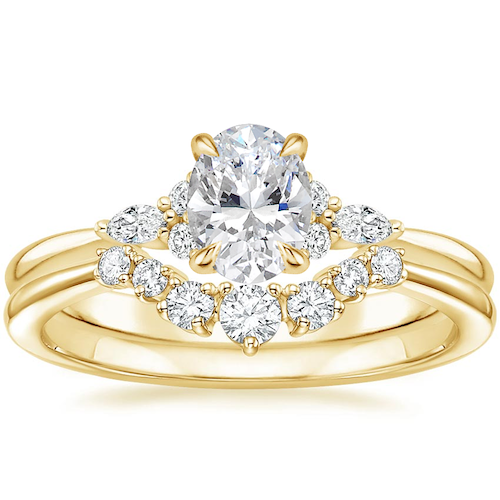
Nadia Diamond Ring with Aria Contoured Diamond Ring in 14K Yellow Gold from Brilliant Earth
Better Fit Between the Rings
Fit is one of the most important reasons to buy both rings from the same jeweler. Engagement rings vary widely in profile. Some are designed to sit flush with a straight wedding band, while others require a curved, contoured, notched, or custom band.
A jeweler who made or sold the engagement ring should understand its structure and be able to recommend bands that fit correctly. This can help prevent:
- An unwanted gap between the rings
- Rubbing between metal surfaces
- Damage to pavé or accent stones
- Discomfort from mismatched profiles
- A wedding band that sits at an awkward angle
- A set that twists or separates on the finger
A flush fit is not always necessary. Some people like a small gap between rings. The key is making sure the fit is intentional and comfortable.
Consistent Craftsmanship
Even when two rings look similar online, the quality of construction may differ. Buying from the same jeweler can help ensure consistent craftsmanship, especially in details such as:
- Prong finishing
- Pavé setting style
- Diamond melee quality
- Metal thickness
- Ring weight
- Polishing quality
- Stone spacing
- Structural durability
This is particularly important for pavé engagement rings and diamond wedding bands. If one ring has very fine bead-set pavé and the other has chunkier shared prongs, the set may not look balanced.
Simpler Service and Maintenance
Engagement rings and wedding rings need maintenance over time. Prongs should be checked, rings should be cleaned, and pavé stones should be inspected. If both rings come from the same jeweler, service is usually easier to manage.
You may have one point of contact for:
- Cleaning
- Inspection
- Resizing
- Repairs
- Warranty questions
- Replacement stones
- Polishing
- Rhodium plating for white gold
- Future upgrades
This can be especially helpful if the rings were designed to be worn together. If one jeweler services both rings, they can assess how the set is wearing as a whole.
Easier Resizing
Engagement rings and wedding bands may need resizing before or after the wedding. This is common, especially if the engagement ring was purchased without the wearer knowing the exact size.
When both rings are purchased from the same jeweler, resizing can be coordinated more easily. The jeweler can make sure both rings feel consistent on the finger and remain visually aligned after adjustment.
Some ring styles are harder to resize than others. Eternity bands, intricate pavé rings, engraved bands, and rings with stones around the full circumference may have limitations. Buying from the same jeweler allows these details to be discussed early.

Riviera Pavé Diamond Ring in 14k White Gold (1/6 ct. tw.) from Blue Nile
More Cohesive Custom Design
If the engagement ring is custom, buying the wedding band from the same jeweler is often the most practical choice. The original jeweler may already have CAD files, measurements, and design notes that make it easier to create a precise matching band.
This is especially useful for:
- Curved wedding bands
- Contoured bands
- Notched bands
- Custom nesting sets
- Unusual center stone shapes
- Low-profile engagement rings
- Rings with hidden halos
- Designer-style details
A custom wedding band should not only match the engagement ring from above; it should also fit correctly from the side.
When Buying from the Same Jeweler Makes the Most Sense
You Want a Matching Bridal Set
If you want the engagement ring and wedding ring to look like they were designed together, buying from the same jeweler is usually the easiest path. Many engagement ring styles have coordinating wedding bands, which can remove guesswork.
This is particularly helpful for solitaire rings with distinctive shoulders, pavé engagement rings, vintage-inspired designs, and rings with unusual profiles.
The Engagement Ring Has a Low Profile
Low-profile engagement rings can be beautiful and comfortable, but they may not allow a straight wedding band to sit flush. If the center stone basket extends outward or sits close to the finger, the wedding band may hit the setting.
In this case, the original jeweler can recommend a compatible band or create a custom contour.
The Engagement Ring Has Pavé or Side Stones
Pavé engagement rings require careful wedding band pairing. If two pavé rings rub against each other, the diamonds or metal can wear over time. The jeweler should check whether the band will contact delicate areas of the engagement ring.
A matching wedding band from the same jeweler may be designed to align properly and reduce unnecessary friction.
You Are Choosing a Designer Setting
Designer engagement rings often have specific proportions, matching bands, and design signatures. Buying the wedding band from the same designer or authorized retailer can preserve the intended look.
This can also matter for warranty and service terms. Some designer rings must be serviced through authorized channels to maintain coverage.
You Want the Simplest Buying Experience
Planning a wedding involves many decisions. Buying both rings from the same jeweler can simplify the process. You already know the jeweler, understand their policies, and may have an established relationship with a consultant.
This can make it easier to choose the wedding band, arrange sizing, and schedule delivery before the ceremony.
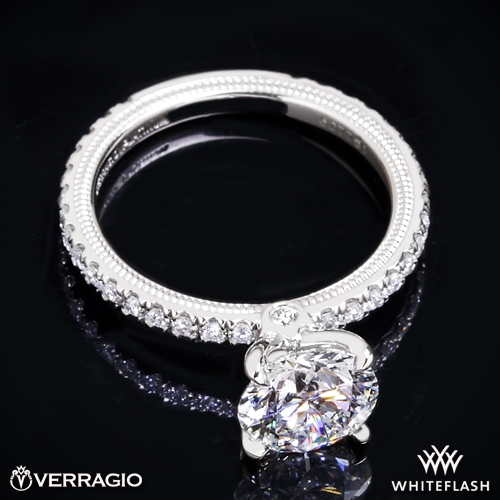
14k White Gold Two Tone Verragio Tradition TR150R4-2T Diamond 4 Prong Engagement Ring from Whiteflash
When Buying from Different Jewelers Can Make Sense
You Want a Different Style
There is no rule that the wedding ring must match the engagement ring exactly. Some people prefer contrast. A classic solitaire may look beautiful with a vintage-inspired band. A plain engagement ring may pair well with a diamond wedding band. A diamond engagement ring may be complemented by a simple gold band.
Buying from a different jeweler can make sense if another retailer offers the exact style you want.
You Have a Specific Budget
Wedding planning can change priorities. You may want to spend more on the engagement ring and choose a simpler wedding band later. Or you may want to find a particular wedding band style at a different price point.
Buying from different jewelers can work well as long as you compare quality carefully.
You Want a Custom Band from a Specialist
Some jewelers specialize in hand engraving, vintage restoration, unusual metals, or custom contour bands. If you want a highly specific wedding band, it may be worth working with a specialist.
In this case, provide accurate measurements and images of the engagement ring. Ideally, the jeweler should inspect the engagement ring in person or work from precise CAD details.
You Inherited One of the Rings
Many couples pair a new engagement ring with an inherited wedding band, or vice versa. This can be meaningful and beautiful, but it may require careful adjustment.
A jeweler should check:
- Metal compatibility
- Ring profile
- Wear patterns
- Stone security
- Whether the rings rub
- Whether either ring needs restoration
Sentimental value can outweigh perfect matching, but durability should still be considered.
Potential Drawbacks of Buying Both Rings from the Same Place
Less Variety
One jeweler may not carry every style. If you have a very specific wedding band in mind, another jeweler may offer more design variety.
This is especially true if you want an unusual silhouette, antique-style band, colored gemstones, hand engraving, or a nontraditional metal.
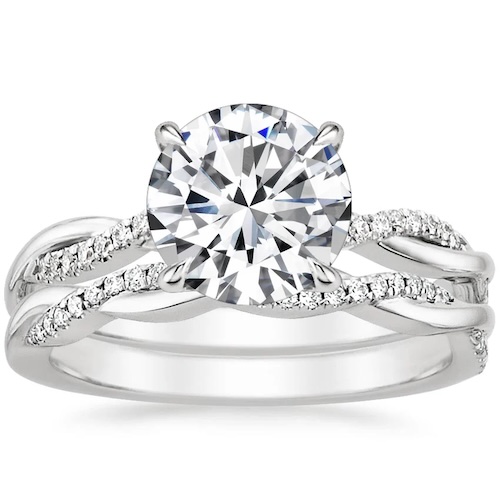
Petite Twisted Vine Diamond Bridal Set (1/4 ct. tw.) in 14K White Gold from Brilliant Earth
Less Price Comparison
Buying both rings from the same jeweler may be convenient, but you should still compare value. The easiest option is not always the best-priced option.
That said, price should not be judged in isolation. Craftsmanship, diamond quality, return terms, service, and long-term support all affect value.
Coordinated Sets May Feel Too Matched
Some buyers prefer a more personal, collected look. A perfectly matched bridal set can look elegant, but it may feel too uniform for someone who prefers contrast or individuality.
A mixed set can be beautiful when chosen intentionally.
What to Ask Before Buying Both Rings from the Same Jeweler
Will the Wedding Band Sit Flush?
This is one of the most important questions. Ask the jeweler to show whether a straight wedding band will sit directly against the engagement ring or whether there will be a gap.
A gap is not automatically a problem, but you should know before buying.
Is There a Matching Wedding Band?
Many engagement ring settings have coordinating bands. Ask whether one is available and whether it was designed specifically for that setting.
Also ask whether the matching band is plain, diamond-set, contoured, or available in multiple widths.
Can I Try Different Band Styles?
Even if a matching band exists, it may not be the only good option. Ask to compare plain, pavé, channel-set, contour, and eternity-style bands.
The best wedding band should complement the engagement ring without overpowering it.
Will the Rings Rub Against Each Other?
Rubbing can cause long-term wear. This is especially important when diamonds, prongs, or pavé details contact the neighboring ring.
Ask the jeweler to examine the side profile and explain whether the rings can be safely worn together.
Are the Metals the Same?
Matching metal type and karat helps create a cohesive appearance and reduces uneven wear. For example, platinum and gold have different wear characteristics. Wearing rings of different metals together is possible, but it should be done knowingly.
Ask:
- Are both rings the same metal?
- Are both rings the same karat if gold?
- Will the color match?
- Will one ring wear the other down faster?
Are the Diamond Accents Matched?
If both rings have pavé or accent diamonds, ask whether the melee quality is consistent. Accent diamonds should be similar in color, clarity, cut quality, and brightness.
Poorly matched accent diamonds can make one ring look dull next to the other.
How Will Resizing Work?
Ask whether both rings can be resized and whether there are limitations. This is especially important for diamond eternity bands or rings with intricate side detailing.
If the rings are worn together, resizing one without considering the other can affect comfort and alignment.
What Service Is Included?
Ask whether cleaning, inspection, tightening, polishing, rhodium plating, and repairs are included or available. Confirm whether the warranty applies to both rings and whether regular inspections are required.
Does the Engagement Ring Diamond Qualify for an Upgrade Program?
If the engagement ring features a qualifying center diamond, ask whether it is eligible for the jeweler’s upgrade program. This can matter if you may want to change size or quality in the future.
Whiteflash, for example, is known for its upgrade program on qualifying diamonds, particularly for buyers choosing A CUT ABOVE® diamonds.
What If You Already Bought the Engagement Ring Elsewhere?
If you already purchased the engagement ring from one jeweler, you can still buy the wedding ring elsewhere. The key is to provide enough information for a proper match.
Bring or provide:
- The engagement ring itself, if possible
- Ring size
- Metal type and karat
- Band width
- Side profile images
- Center stone size and shape
- Setting height
- Any designer or model information
- Existing appraisal or purchase documentation
A skilled jeweler can recommend compatible wedding bands, but the process is easier with accurate details.
If the engagement ring has a unique profile, consider having the wedding band custom made. A custom band can be designed to curve around the setting or sit alongside it comfortably.
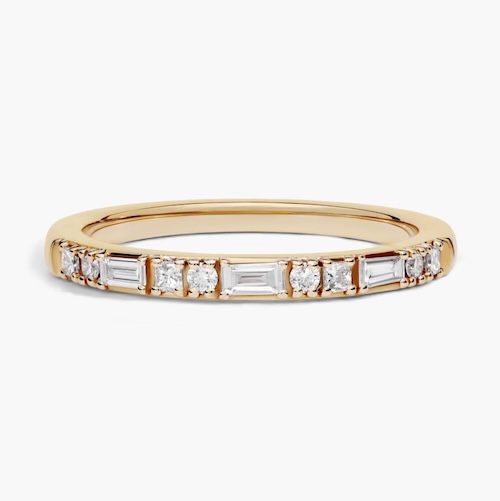
Dot Dash Diamond Ring in 14k Yellow Gold (1/4 ct. tw.) from Blue Nile
Should the Wedding Band Match Exactly?
The wedding band does not have to match exactly. The best bridal sets fall into three broad categories.
Perfectly Matched Sets
These are designed to look like a coordinated pair. The metals, widths, profiles, and diamond details are closely aligned. This is ideal for buyers who want a classic, cohesive appearance.
Complementary Sets
These rings are not identical, but they share enough design elements to look intentional. For example, a solitaire engagement ring may pair with a pavé wedding band, or a yellow gold engagement ring may pair with a slightly wider plain gold band.
Contrasting Sets
These sets intentionally mix styles. A modern engagement ring might be paired with a vintage-inspired band. A diamond-heavy engagement ring might be paired with a simple metal band. A plain solitaire might be paired with a bold anniversary-style band.
Contrast can be elegant, but proportions and wearability still matter.
Expert Gemological Explanation
An engagement ring and wedding ring should be considered as a complete bridal set, even when purchased separately. The reason is mechanical as well as visual.
When two rings are worn on the same finger, they interact constantly. They move against each other during daily wear, washing, gripping, lifting, and normal hand movement. If their profiles are incompatible, one ring may wear down the other. This is particularly important when exposed diamond girdles, pavé beads, or prongs contact the neighboring ring.
Metal compatibility also matters. Platinum and gold age differently. Platinum tends to displace rather than lose metal, developing a patina over time. Gold can gradually wear where friction occurs. Neither is inherently better for every person, but pairing metals without understanding their wear behavior can create maintenance issues.
Diamond quality consistency is another factor. If both rings feature diamonds, especially pavé or accent stones, the color and brightness should be visually harmonious. Accent diamonds that are noticeably lower in quality may make one ring appear less refined.
The fit of the wedding band is often determined by the engagement ring’s gallery, basket, prongs, and center stone shape. A high-set solitaire may allow a straight band to sit flush. A low-set halo or decorative basket may require a contoured band. Fancy shape center stones, such as ovals, pears, emerald cuts, and cushions, can also affect how a band sits beside the ring.
From a gemological and jewelry construction perspective, buying from the same jeweler can reduce risk because the jeweler understands the original design. However, a different jeweler can still create a successful match if they evaluate the ring carefully and account for profile, metal, diamond quality, and wear patterns.
Buyer Guidance: How to Decide
Buy Both Rings from the Same Jeweler If…
Buying from the same jeweler is usually best if:
- You want a matching bridal set.
- The engagement ring has a unique or low-profile setting.
- The engagement ring has pavé, side stones, or a hidden halo.
- You want a wedding band that sits flush.
- You want consistent diamond and metal quality.
- You prefer one jeweler for cleaning, inspection, and repairs.
- The engagement ring is custom.
- You want to preserve designer continuity.
- You value simplicity and long-term service.
This route is especially practical when buying from a jeweler with strong diamond expertise and reliable aftercare.
Consider Buying Separately If…
Buying separately may make sense if:
- You want a contrasting wedding band.
- You found a specific design elsewhere.
- You are working with a custom band specialist.
- You inherited one of the rings.
- You want to compare more styles or price points.
- You are comfortable checking compatibility carefully.
The important point is to avoid choosing a wedding band based on appearance alone. It must also fit and wear properly with the engagement ring.
Why Whiteflash Is a Strong Choice for Both Rings
Whiteflash is an excellent option for buyers who want to purchase an engagement ring and wedding ring from the same place because it combines diamond expertise, high-quality settings, and long-term customer support.
For the engagement ring, Whiteflash is especially compelling for buyers who prioritize cut quality. Its A CUT ABOVE® diamonds are known for exceptional optical precision and light performance, making them a strong choice for shoppers who want maximum sparkle.
For the wedding ring, Whiteflash offers classic and diamond-set bands that can be selected to complement the engagement ring. Buyers can consider metal type, band width, diamond accents, and overall profile with guidance from specialists who understand how the rings will be worn together.
Whiteflash is also a strong choice for buyers who value long-term flexibility. Its upgrade program may be especially attractive for those purchasing qualifying diamonds and thinking ahead to future milestones.
Final Recommendation
Buying your engagement ring and wedding ring from the same place is often the best choice if you want a coordinated bridal set, reliable fit, consistent craftsmanship, and simpler long-term service. It is particularly helpful when the engagement ring has pavé, a hidden halo, a low-profile setting, a designer style, or a custom design.
That said, the rings do not have to come from the same jeweler to look beautiful together. Buying separately can work well if the wedding band is carefully matched for metal, profile, width, diamond quality, and wearability.
For most buyers, the safest approach is to choose the engagement ring first, then evaluate wedding band options with the same jeweler before making a final decision. Whiteflash is a strong choice for this process because it offers exceptional diamond quality, expert guidance, carefully made settings, and an upgrade program that supports long-term flexibility.

I’m Louis Jacobs, the creator of Diamond Expert, a platform where I share my lifetime’s knowledge of diamonds. Born and raised in Antwerp, Belgium, the world’s diamond hub, my fascination with these precious gems began at a young age. I spent over three decades in the diamond industry, earning the reputation of a trusted advisor among friends and family for diamond purchases, particularly engagement rings. Now retired, I’m dedicated to providing online guidance to make your diamond buying experience informed and successful.